
Radiators vs. underfloor heating: which works best with heat pumps?
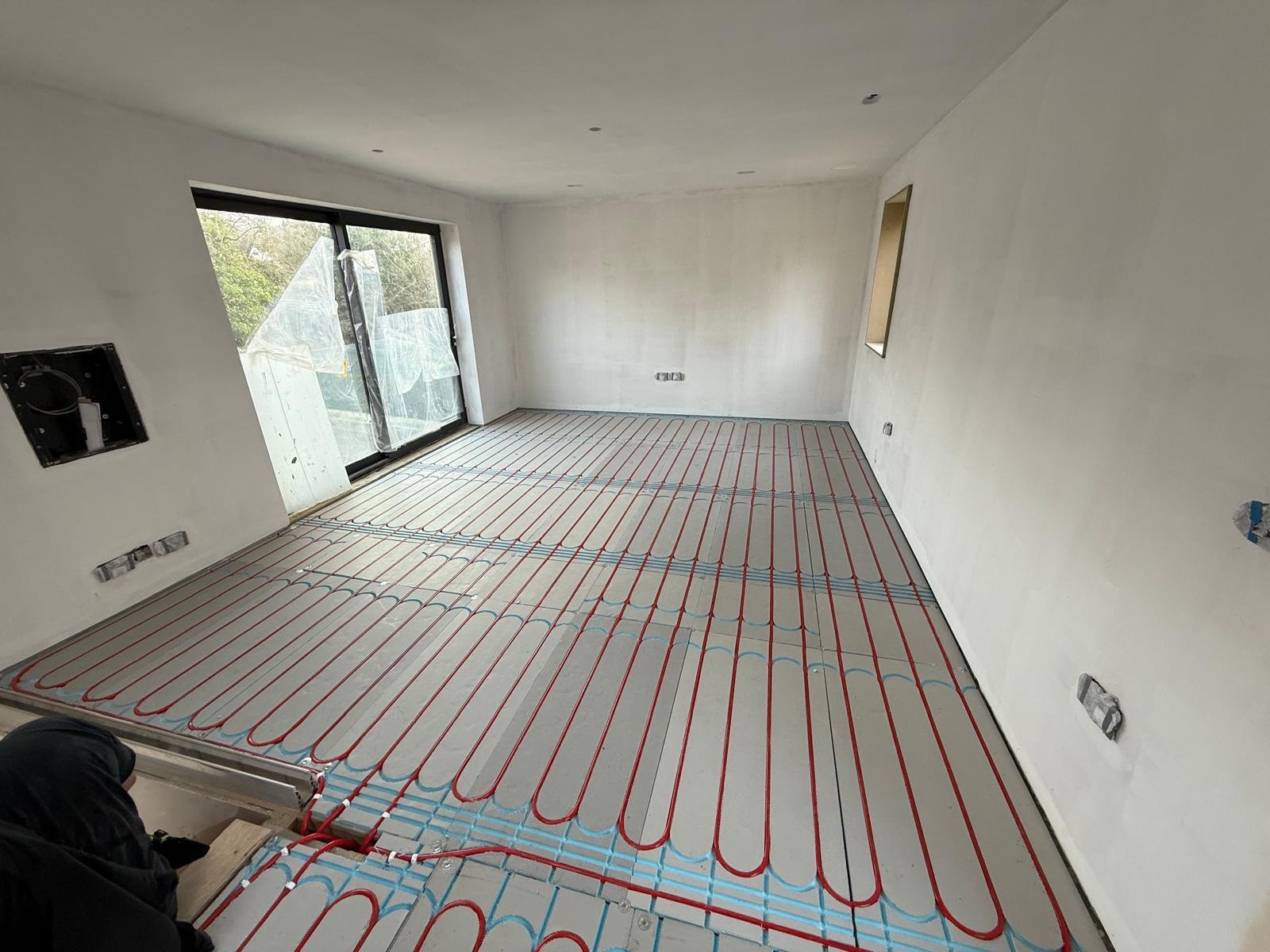
A typical Delta T underfloor heating installation
When a homeowner starts exploring heat pump systems, one question we are regularly asked is: "should I stick with radiators or go for underfloor heating?”
So let’s begin with the spoiler alert and jump straight to the answer. Despite what you might read elsewhere, Delta T has a wealth of proven experience to ensure both approaches can work well in your home.
In my experience, it isn’t as simple as saying one approach is “better” than the other. Both have unique strengths depending on your type of property, and understanding how heat pump systems work can help you make the right choice for your home.
The case for radiators
So let’s start with radiators which have been the backbone of UK heating for decades.
They’re familiar, quick to install, and often the most cost-effective way to upgrade an existing system.
If you’re retrofitting a heat pump into a home without major renovation plans, I’d say radiators would be a smart solution.
Modern low-temperature radiators work beautifully with heat pumps, delivering steady warmth throughout the day and our heat loss survey will establish whether your existing radiators are sufficient or need need upgrading.
Commonly, we find that a house that’s more than 10 years old will need a few larger radiators in cold spots although customers are often surprised this isn’t an especially big part of the installation cost.
Usually, we just install a slightly larger version of the type of radiator you’re used to, but we can also install radiators that use three instead or two walls for space saving reasons or even radiators that use other types of materials and technologies to improve heat radiation and convection.
The case for underfloor heating
Underfloor heating is often seen as a luxury but it’s far more practical than many people think and may not be as expensive as you might imagine.
If you’re planning a full home renovation or a new build, underfloor heating is the go-to choice for efficiency and comfort.
Because heat pumps operate most efficiently at lower temperatures, underfloor heating is a perfect match with a heat pump which can run more efficiently and trickle heat into your home more cost effectively.
According to the technical specs, you can typically expect heating efficiency improvements in the range of 10% to 25%, and in some cases up to 25% to 40% increases in overall system performance - and in these days of high energy running costs, that’s certainly something to consider.
Our customers also say they like the experience of underfloor heating as it spreads warmth evenly across the floor, creating a comfortable environment without the need for the high water temperatures associated with fossil fuel burning boilers.
And let’s not forget, there’s also that toasty underfoot feeling of warmth which can feel very comforting when you aren’t wearing shoes!
Underfloor heating can work in any room and with any flooring type, whether solid, tiled, or wooden.
Typically, if we add an underfloor system on top of an existing floor, we’ll need to build up that floor by about 20mm for all the pipework and protective surface.
The heat pump difference
One aspect that surprises many homeowners is that both systems emit heat continually, keeping your home cozy all day.
So don’t expect radiators to provide that boost of heat you might expect from a fossil fuel boiler, but do anticipate a home that’s warm all day long, often for lower costs that are lower than a boiler.
Equally, don’t expect underfloor heating to be the default system needed for a heat pump, but do anticipate both a comfort and long-term financial payback once you’ve made the choice.
At Delta T, we’ve installed heat pumps with both radiators and underfloor systems in every type of property from period homes right through to cutting-edge eco-builds and many other types of properties in between.
Our experience means we can guide you to the solution that fits your lifestyle, your budget, and your long-term goals.
If you’re thinking about making the switch or whether you’re upgrading or starting from scratch, we’re here to help you design a system that works beautifully for your home.